
English (Original)
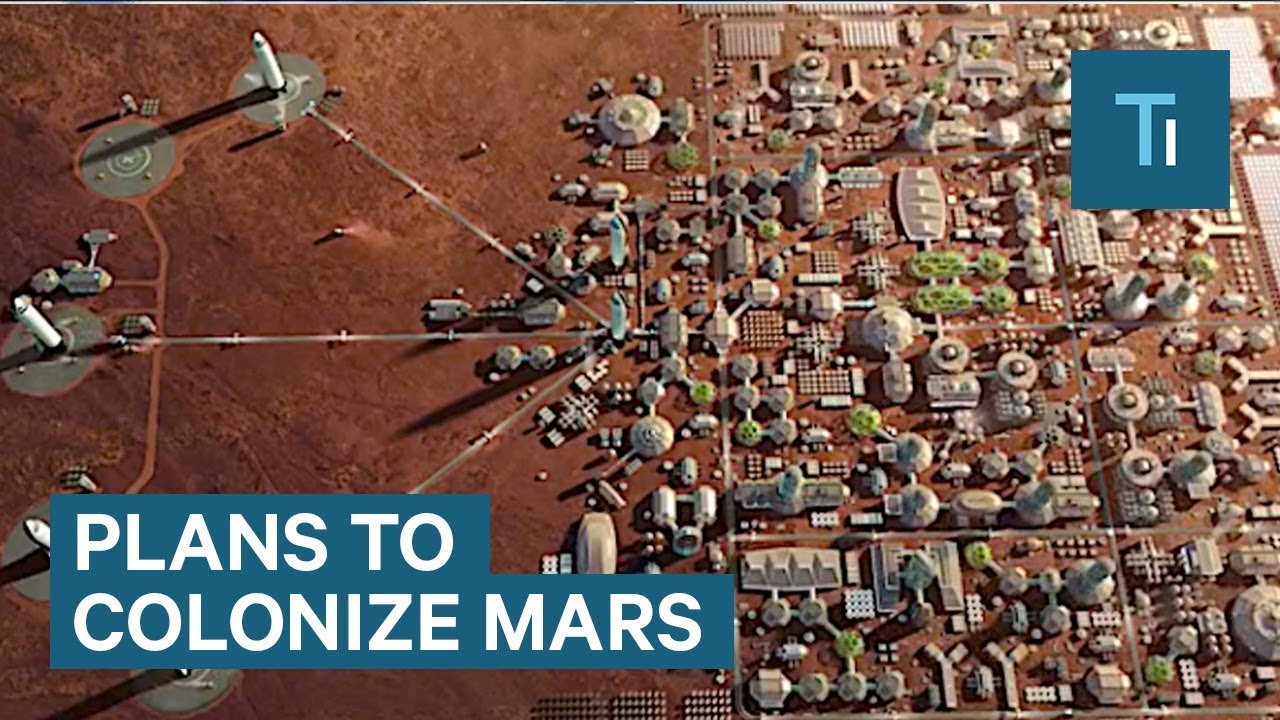
For decades, writers and scientists have imagined humans living on Mars. Today, the idea seems closer to reality than ever, but huge obstacles remain. Mars is the most realistic target for settlement in our solar system. A day there lasts about 24.6 hours, and there is frozen water beneath the surface. However, the planet is far from welcoming. Its atmosphere is extremely thin and contains almost no oxygen, and temperatures are usually far below freezing. Without a thick atmosphere or magnetic field, the surface is also exposed to dangerous radiation. In addition, the soil contains chemicals that are harmful to humans and would have to be removed before crops could be grown. The journey itself is another challenge. Travelling to Mars takes around six months, and astronauts would be so far from Earth that messages take several minutes to arrive. Emergency help would be impossible, so every system would have to be completely reliable. Even so, some companies are determined to try. SpaceX has announced plans to send uncrewed Starship vehicles to Mars when the planets are best aligned, which happens roughly every 26 months. The company hopes these missions will pave the way for human flights later in the decade. Critics, however, point out that such timelines have often been delayed, and that many technologies, such as refuelling rockets in space, are still being tested. Experts generally agree that a small research base is possible within our lifetimes. A true colony, where people live permanently and independently, is a much bigger question, and it may take generations to answer.