
Seeding clouds to make rain
B2 Graded ~5 dk okuma 563 kelime

Seeding clouds to make rain

Sütunlar:
Yazı:
Uygulamada Aç
🇬🇧

English (Original)

Original Text

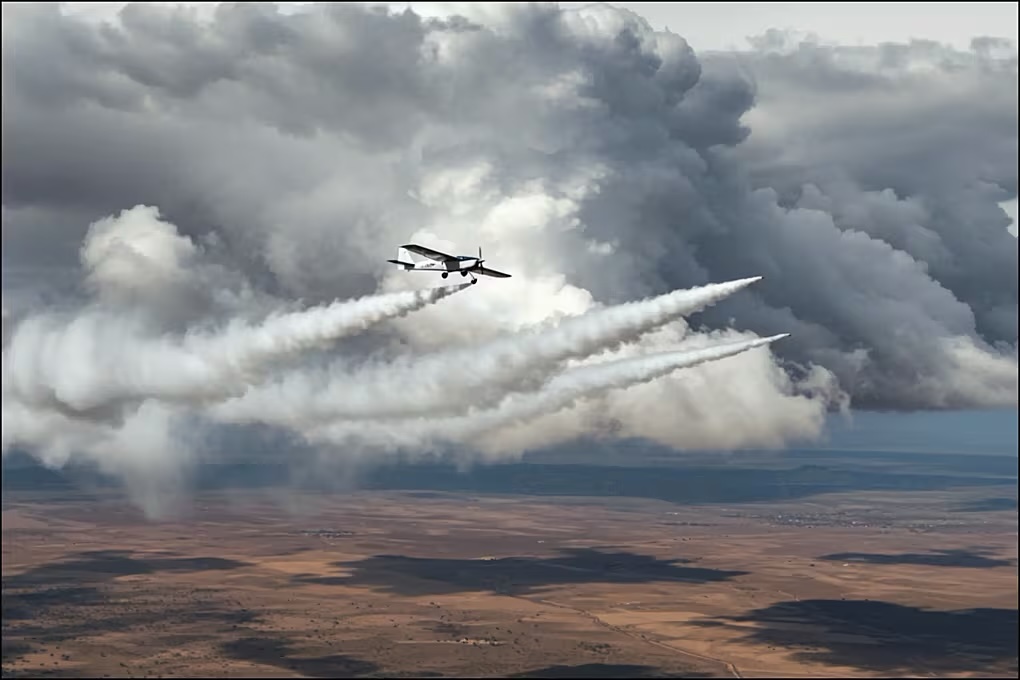
Drought is an increasing problem in our warming world. All continents have been experiencing more extended periods without rain, leading to forest fires and poor crop growth. Consequently, people are looking at cloud seeding to solve the problem. Cloud seeding is a method of encouraging precipitation by distributing small particles of silver iodide into clouds.

Cloud-seeding expert Arlen Huggins has been studying its effectiveness. ‘My earliest experience was to use cloud seeding to reduce the amount of hail in northeast Colorado. They don’t get huge hailstones here, like in the Midwest, but they get it more often. We didn’t have any luck with that, but we had success later on in increasing snowfall in Utah. Now, the focus is shifting towards increasing rainfall from summer clouds, which is far more unpredictable.

The problem is that it’s pretty hard to know whether precipitation resulted directly from cloud seeding. It might have rained or snowed anyway. Even if you cloud seed in one place and don’t in another, it’s impossible to know for sure what caused the precipitation unless the cloud system is straightforward, like fog that otherwise has no chance of forming rain or snow.

However, it’s not during foggy and snowy conditions that people think of increasing the chance of rainfall. It’s when a country is hit by drought, and then cloud seeding isn’t an option due to the lack of clouds. In warm conditions, only storm clouds can produce rain by seeding, while during drought, skies tend to be clear with a few wispy clouds. The best option to prevent drought is to seed at times of the year when rainfall levels are normal or higher. That way, slightly more rain can be extracted and stored in reservoirs for the dry season.

As cloud seeding is expensive and its effectiveness tenuous, its usefulness is still a matter of opinion. University of Colorado researcher Katja Friedrich says cloud seeding can’t end a drought. However, it can be beneficial, provided it occurs alongside other water conservation strategies. Arlen Huggins is of the same mind. Increasing precipitation through cloud seeding would significantly benefit the economy in the large water basin where he works. Still, for that to happen, the water would need to be captured and stored effectively.

There are also environmental issues regarding the impact of cloud seeding. At high levels, silver iodide can harm humans and other mammals, and some studies have found silver compounds to be slightly toxic. However, several ecological studies have shown minor environmental and health impacts. Where cloud seeding has taken place, the amount of silver compounds in the soil and vegetation has been found to be no higher than natural levels. Even so, some environmentalists are concerned about the long-term impacts, as there isn’t data on how much silver iodide accumulates in the environment over periods exceeding ten years.

Another fear is that cloud seeding could potentially steal water from neighbouring areas by encouraging the water in clouds that would otherwise fall somewhere else to fall in your location. According to Maarten Ambaum from the University of Reading, it is possible to use cloud seeding to make rain fall on your farm, which otherwise would fall on your neighbour’s farm. It’s not the case, though, that if one country uses cloud seeding to create rain, a neighbouring country will lose out because clouds are constantly forming and reforming.


🇹🇷

Türkçe (Çeviri)

Türkçe Çeviri

Isınan dünyamızda kuraklık giderek artan bir sorundur. Tüm kıtalar, orman yangınlarına ve kötü mahsul büyümesine yol açan daha uzun yağmursuz dönemler yaşamaktadır. Sonuç olarak, insanlar sorunu çözmek için bulut tohumlamaya yöneliyor. Bulut tohumlama, bulutlara küçük gümüş iyodür parçacıkları dağıtarak yağışı teşvik etme yöntemidir.

Bulut tohumlama uzmanı Arlen Huggins, bunun etkinliğini inceliyor. 'En erken deneyimim, kuzeydoğu Colorado'daki dolu miktarını azaltmak için bulut tohumlama kullanmaktı. Burada Ortabatı'daki gibi devasa dolu taneleri olmuyor, ancak daha sık oluyor. Bunda pek şansımız olmadı, ancak daha sonra Utah'ta kar yağışını artırmada başarılı olduk. Şimdi ise odak noktası, çok daha öngörülemez olan yaz bulutlarından yağmuru artırmaya kayıyor.

Sorun şu ki, yağışın doğrudan bulut tohumlamadan kaynaklanıp kaynaklanmadığını bilmek oldukça zor. Zaten yağmur veya kar yağmış olabilirdi. Bir yerde bulut tohumlama yapıp başka bir yerde yapmasanız bile, bulut sistemi basit değilse, örneğin başka türlü yağmur veya kar oluşturma şansı olmayan sis gibi, yağışa neyin neden olduğunu kesin olarak bilmek imkansızdır.

Ancak insanlar yağmur olasılığını artırmayı sisli ve karlı koşullarda düşünmezler. Bir ülke kuraklıkla vurulduğunda ve bulut eksikliği nedeniyle bulut tohumlama bir seçenek olmadığında düşünülür. Sıcak koşullarda, sadece fırtına bulutları tohumlama yoluyla yağmur üretebilirken, kuraklık sırasında gökyüzü genellikle birkaç ince bulutla açık olma eğilimindedir. Kuraklığı önlemenin en iyi yolu, yılın yağış seviyelerinin normal veya daha yüksek olduğu zamanlarda tohumlama yapmaktır. Bu şekilde, biraz daha fazla yağmur elde edilebilir ve kuru mevsim için rezervuarlarda depolanabilir.

Bulut tohumlama pahalı ve etkinliği belirsiz olduğundan, faydası hala bir görüş meselesidir. Colorado Üniversitesi araştırmacısı Katja Friedrich, bulut tohumlamanın bir kuraklığı sona erdiremeyeceğini söylüyor. Ancak, diğer su koruma stratejileriyle birlikte uygulandığında faydalı olabilir. Arlen Huggins de aynı fikirde. Bulut tohumlama yoluyla yağışı artırmak, çalıştığı büyük su havzasındaki ekonomiye önemli ölçüde fayda sağlayacaktır. Yine de, bunun gerçekleşmesi için suyun etkili bir şekilde toplanması ve depolanması gerekecektir.

Bulut tohumlamanın etkisiyle ilgili çevresel sorunlar da bulunmaktadır. Yüksek seviyelerde, gümüş iyodür insanlara ve diğer memelilere zarar verebilir ve bazı çalışmalar gümüş bileşiklerinin hafif derecede toksik olduğunu bulmuştur. Ancak, birçok ekolojik çalışma küçük çevresel ve sağlık etkileri göstermiştir. Bulut tohumlamanın yapıldığı yerlerde, toprak ve bitki örtüsündeki gümüş bileşiklerinin miktarının doğal seviyelerden daha yüksek olmadığı bulunmuştur. Yine de, bazı çevreciler uzun vadeli etkiler konusunda endişelidir, çünkü on yılı aşan sürelerde çevrede ne kadar gümüş iyodür biriktiğine dair veri bulunmamaktadır.

Başka bir korku ise, bulut tohumlamanın, aksi takdirde başka bir yere düşecek olan bulutlardaki suyu sizin bulunduğunuz yere düşmeye teşvik ederek komşu bölgelerden su çalabilmesidir. Reading Üniversitesi'nden Maarten Ambaum'a göre, bulut tohumlama kullanarak, aksi takdirde komşunuzun tarlasına düşecek olan yağmuru kendi tarlanıza düşürmek mümkündür. Ancak, bir ülke yağmur oluşturmak için bulut tohumlama kullanırsa, komşu bir ülkenin bundan zarar göreceği durumu söz konusu değildir, çünkü bulutlar sürekli oluşmakta ve yeniden şekillenmektedir.

Önemli Kelimeler & Deyimler

Bu okuma parçasında geçen B2 seviyesindeki kritik kelimeler, deyimler ve pratik kullanımları:

14 İfade
Drought B2
Kuraklık
A prolonged period of abnormally low rainfall, leading to a shortage of water.
Precipitation B2
Yağış
Rain, snow, sleet, or hail that falls to the ground.
Cloud seeding B2
Bulut tohumlama
A weather modification technique that attempts to change the amount or type of precipitation that falls from clouds.
Silver iodide B2
Gümüş iyodür
A chemical compound used in cloud seeding to encourage ice crystal formation.
Hailstones B2
Dolu taneleri
Pellets of frozen rain that fall during a thunderstorm.
Unpredictable B2
Öngörülemez
Not able to be foreseen or known in advance; uncertain.
Reservoirs B2
Rezervuarlar/Su depoları
Large natural or artificial lakes used as a source of water supply.
Tenuous B2
Belirsiz/Zayıf
Very weak or slight; insubstantial.
Conservation strategies B2
Koruma stratejileri
Plans or methods aimed at protecting and preserving natural resources.
Water basin B2
Su havzası
An area of land where all surface water converges to a single point, such as a river, lake, or ocean.
Toxic B2
Zehirli
Poisonous; capable of causing injury or death, especially by chemical means.
Accumulates B2
Birikir
Gathers or acquires an increasing number or quantity of something.
Neighbouring areas B2
Komşu bölgeler
Areas that are adjacent or next to each other.
Reforming B2
Yeniden şekillenme
Forming again or anew.