
Three popular inventions from the 1920s
A2 Graded ~4 dk okuma 400 kelime

Three popular inventions from the 1920s

Sütunlar:
Yazı:
Uygulamada Aç
🇬🇧

English (Original)

Original Text

The 1920s was an exciting time for inventions. Some of the things invented around that time changed the lives of millions of people, and some of those inventions are still widely used today.

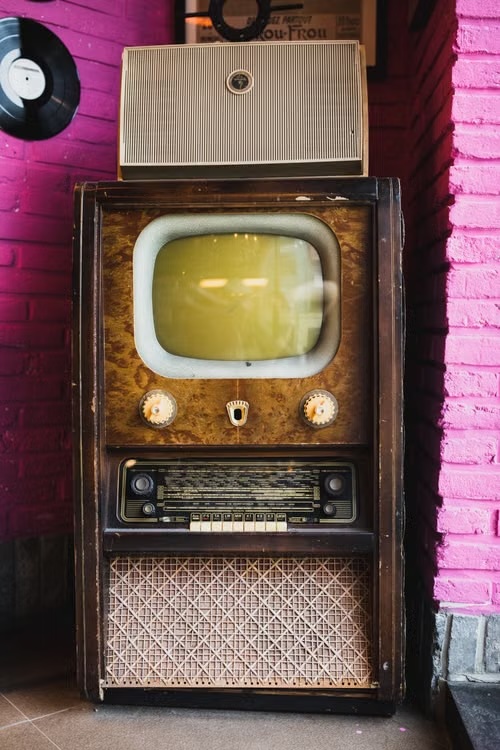
The television

The invention with the biggest impact was probably the television. It was invented by a Scottish man, John Logie Baird. The first televised pictures were sent over a short distance in 1924, and his invention was formally demonstrated at the Royal Institute two years later. The pictures on the screen were not clear, but the viewers could see that they were human faces, and they could see their eyes opening and closing. In 1928, images were sent from Britain to America, and later, to a ship 1,500 miles out to sea. In the same year, the first colour images were sent. The first ‘seeing-in sets’ were sold that same year. For £25 (£1000 in today’s money), people in their homes could watch moving images that were sent from a broadcasting station.

The fridge

Another invention that became popular in the 1920s was the home refrigerator. People used different ways to keep food cool and fresh long before the 1900s, but home fridges weren’t invented until 1913 in the USA. Home fridges became very popular in the USA in the 1920s. Sales of the popular ‘Frigidaire’ model increased from 5,000 in 1921 to 750,000 in 1926. British people were less interested in fridges than Americans. They thought that they were unnecessary because the weather in Britain was cooler. But fridges were heavily advertised, and their advantages were described in detail. Soon, more fridges were sold, and the price decreased.

The polygraph

Another interesting invention of the 1920s was the polygraph, or lie detector. It was invented in 1921 by a Californian policeman, John Larson. He used the ideas of other psychologists to make a machine that measured people’s heart rate, breathing and blood pressure while they were asked questions. The experts believed that sudden changes in these measurements showed that someone was lying. Although this invention is well-known, it can’t really detect lies. Marston tried to use measurements from his polygraph in a court case in 1923, but they weren’t accepted as evidence and never have been since then. However, polygraphs are still used by some police forces and the FBI because many people believe they work, so they tell the truth to avoid the machine.


🇹🇷

Türkçe (Çeviri)

Türkçe Çeviri

1920'ler icatlar için heyecan verici bir zamandı. O dönemde icat edilen bazı şeyler milyonlarca insanın hayatını değiştirdi ve bu icatlardan bazıları bugün hala yaygın olarak kullanılmaktadır.

Televizyon

En büyük etkiye sahip icat muhtemelen televizyondu. İskoç bir adam olan John Logie Baird tarafından icat edildi. İlk televizyon görüntüleri 1924'te kısa bir mesafeye gönderildi ve icadı iki yıl sonra Royal Institute'ta resmi olarak tanıtıldı. Ekrandaki görüntüler net değildi, ancak izleyiciler bunların insan yüzleri olduğunu ve gözlerinin açılıp kapandığını görebiliyorlardı. 1928'de görüntüler Britanya'dan Amerika'ya ve daha sonra denizde 1.500 mil uzaktaki bir gemiye gönderildi. Aynı yıl, ilk renkli görüntüler gönderildi. İlk 'görme setleri' de aynı yıl satıldı. 25 sterline (bugünün parasıyla 1000 sterlin), insanlar evlerinde bir yayın istasyonundan gönderilen hareketli görüntüleri izleyebiliyorlardı.

Buzdolabı

1920'lerde popüler hale gelen bir diğer icat ise ev buzdolabıydı. İnsanlar 1900'lerden çok önce yiyecekleri serin ve taze tutmak için farklı yöntemler kullanıyorlardı, ancak ev buzdolapları ABD'de 1913'e kadar icat edilmedi. Ev buzdolapları 1920'lerde ABD'de çok popüler oldu. Popüler 'Frigidaire' modelinin satışları 1921'de 5.000'den 1926'da 750.000'e yükseldi. İngilizler buzdolaplarına Amerikalılardan daha az ilgi gösteriyordu. Britanya'daki havanın daha serin olması nedeniyle gereksiz olduklarını düşünüyorlardı. Ancak buzdolapları yoğun bir şekilde reklam edildi ve avantajları ayrıntılı olarak açıklandı. Kısa süre sonra daha fazla buzdolabı satıldı ve fiyatı düştü.

Poligraf

1920'lerin bir diğer ilginç icadı ise poligraf veya yalan makinesiydi. 1921'de Kaliforniyalı bir polis memuru olan John Larson tarafından icat edildi. İnsanların kalp atış hızını, nefes alışını ve kan basıncını soru sorulurken ölçen bir makine yapmak için diğer psikologların fikirlerini kullandı. Uzmanlar, bu ölçümlerdeki ani değişikliklerin birinin yalan söylediğini gösterdiğine inanıyordu. Bu icat iyi bilinmesine rağmen, aslında yalanları tespit edemez. Marston, 1923'te bir mahkeme davasında poligrafından alınan ölçümleri kullanmaya çalıştı, ancak bunlar kanıt olarak kabul edilmedi ve o zamandan beri de hiç kabul edilmedi. Ancak, poligraflar hala bazı polis güçleri ve FBI tarafından kullanılmaktadır çünkü birçok kişi çalıştığına inanır, bu yüzden makineden kaçınmak için doğruyu söylerler.

Önemli Kelimeler & Deyimler

Bu okuma parçasında geçen A2 seviyesindeki kritik kelimeler, deyimler ve pratik kullanımları:

14 İfade
inventions A2
icatlar
new things, machines, or processes that have been created
impact A2
etki
a powerful effect that something has on a situation or person
demonstrated A2
tanıtıldı/gösterildi
showed how something works or is used
broadcasting station A2
yayın istasyonu
a place that sends out television or radio signals
refrigerator A2
buzdolabı
a large appliance that keeps food and drinks cold
unnecessary A2
gereksiz
not needed or essential
advertised A2
reklam edildi
promoted a product or service to the public
advantages A2
avantajlar
benefits or good points of something
polygraph A2
poligraf
a machine that measures changes in the body, often used to try to detect lies
lie detector A2
yalan makinesi
another name for a polygraph machine
heart rate A2
kalp atış hızı
the number of times a person's heart beats per minute
blood pressure A2
kan basıncı
the force of blood pushing against the walls of your arteries
evidence A2
kanıt
facts or information that show if something is true or not
avoid A2
kaçınmak
to stay away from someone or something